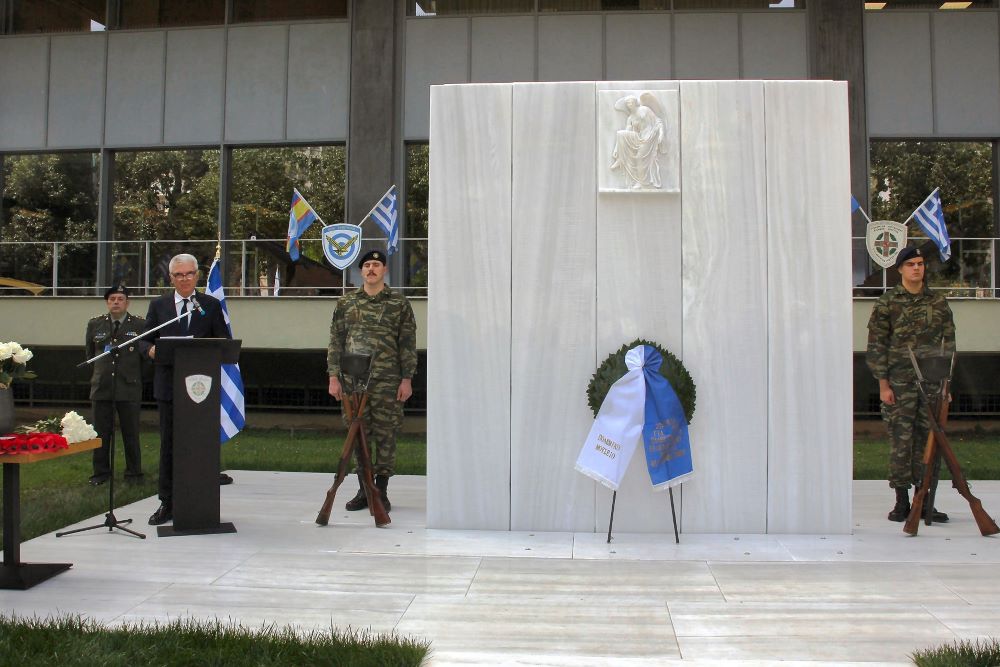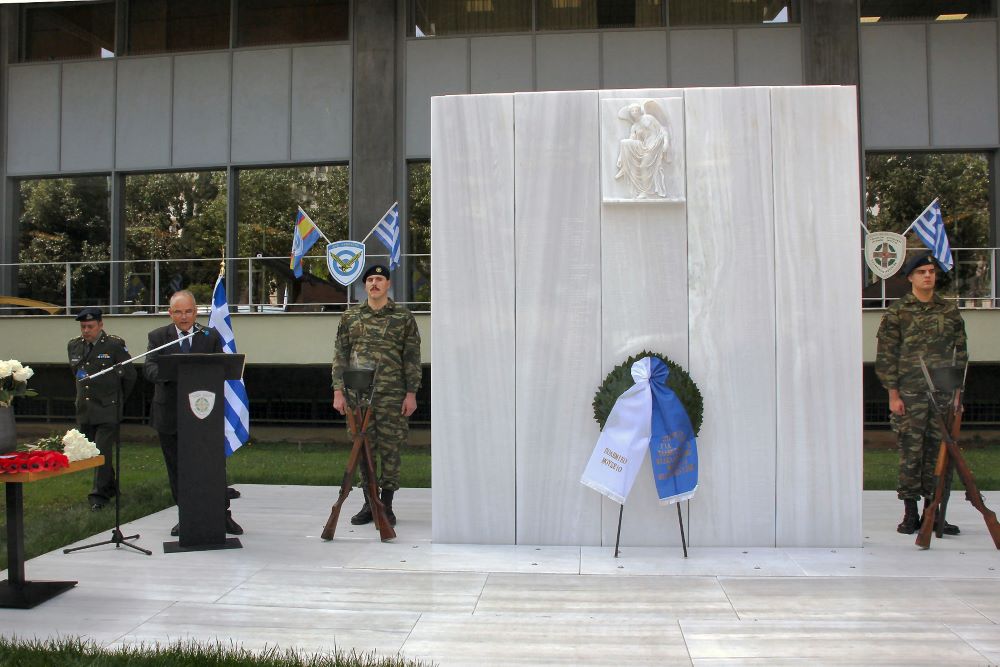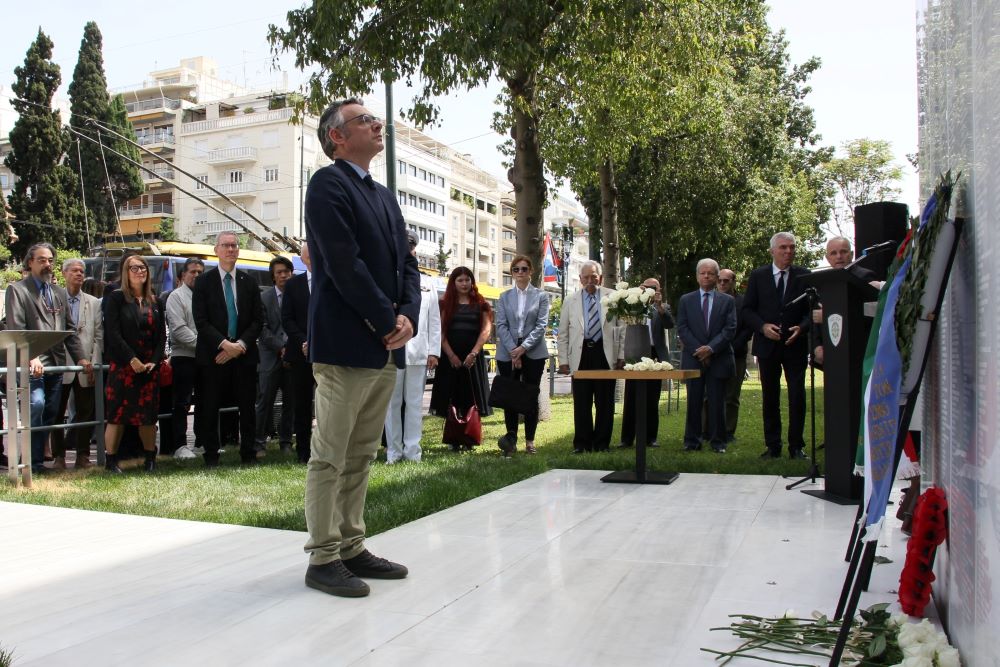
In collaboration with the War Museum, the Society for Hellenism and Philhellenism (SHP) and the Philhellenism Museum, erected the Philhellenes’ Monument on Vasilissis Sofias Avenue a few months ago, implementing a unanimous decision of the Fourth National Assembly in 1829 in Argos (Resolution 8).

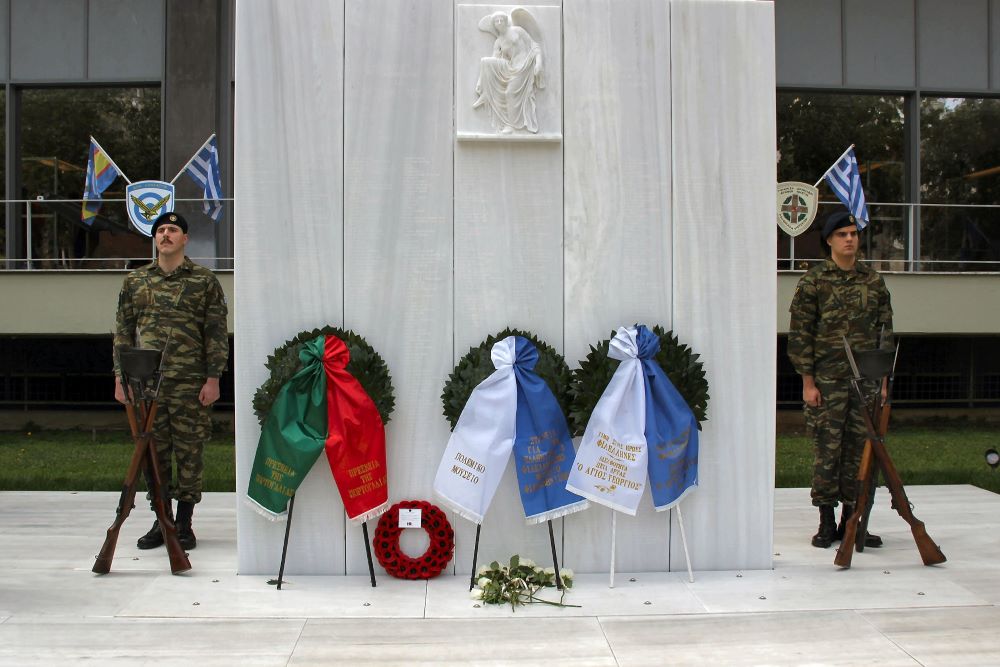
The Monument has engraved names of 2,000 Philhellenes, activists and volunteers, who supported the Greek War of Independence, even sacrificing their own lives, and is now an emblematic landmark in the center of Athens, contributing to the historical commemoration of the solidarity of nations in the defense of freedom and of Western civilisation.

Philhellenism was an unprecedented and unique phenomenon of solidarity and activism that united peoples during the 19th century, and led to the creation of the modern Greek state. Nowadays, enduring Philhellenism reminds us that the constant focus on Greek culture remains the thread that unites people in the defense of ecumenical human values.

Philhellenism promotes freedom, democracy, the rule of law and international solidarity in public life. Relations built with faith over time deserve our respect and highlighting them as bright spots on humanitarian grounds. In today’s complex world, peace, security, the prevention of international conflicts, migration, climate change, the digital revolution, continue to have as a common priority the protection of human rights and freedom.

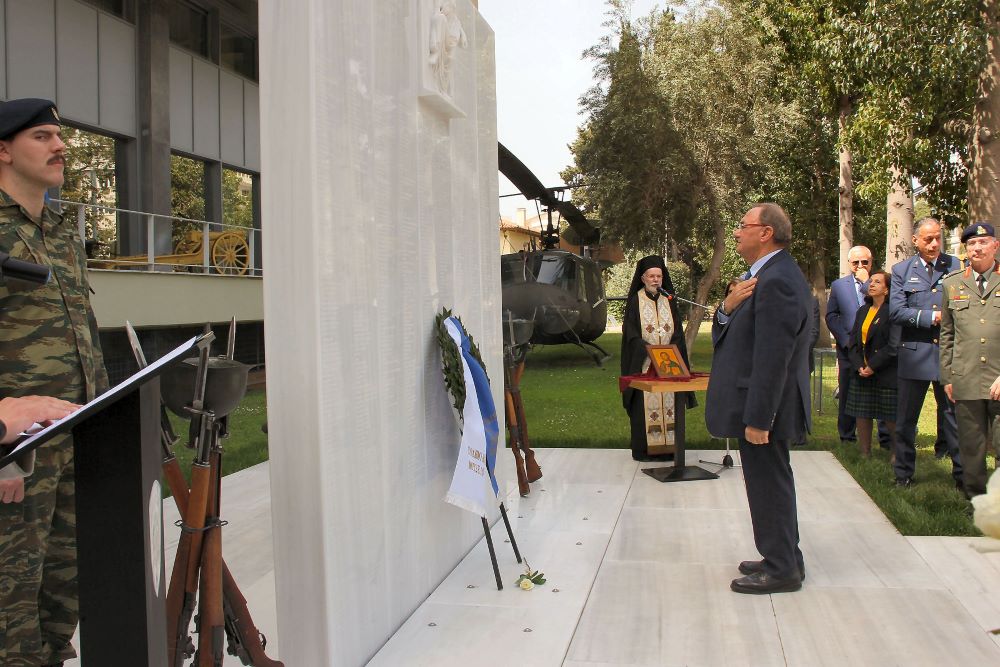
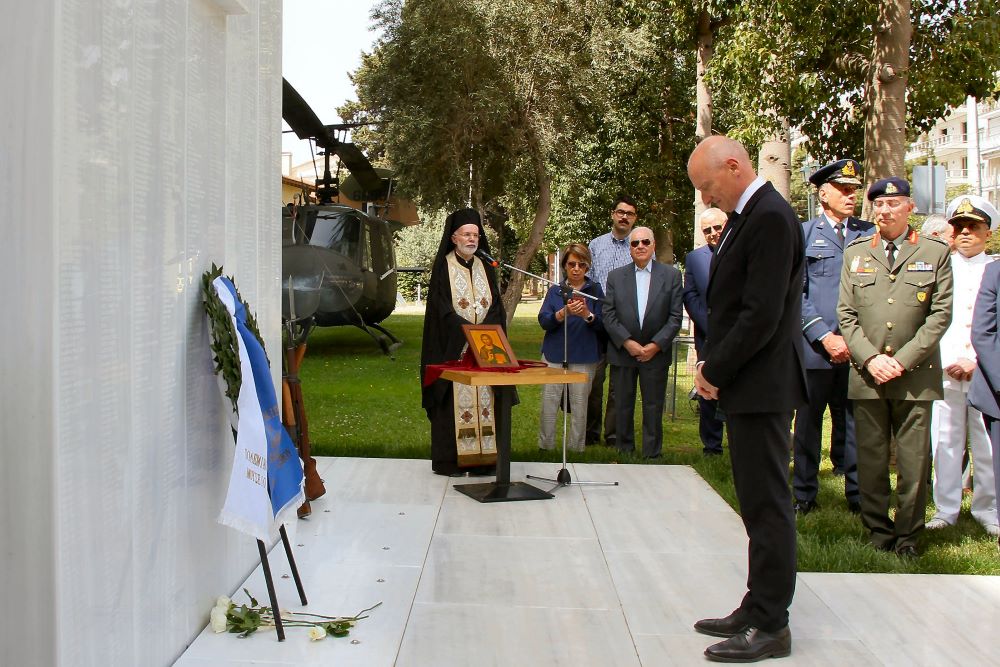
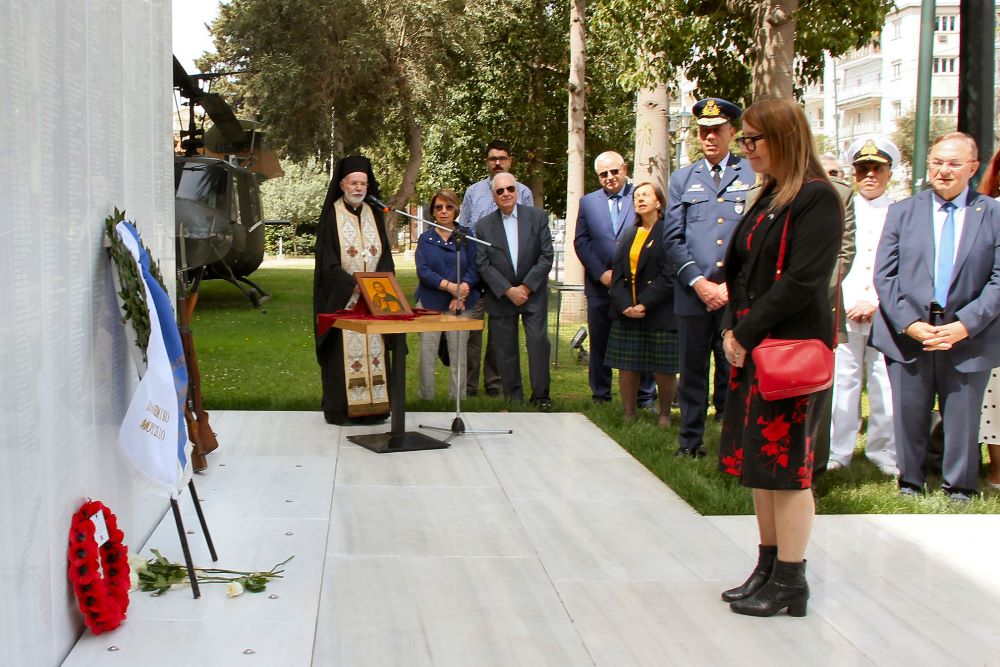
The War Museum and the SHP / Philhellenism Museum co-organise an annual memorial ceremony at the Philhellenes’ Monument.

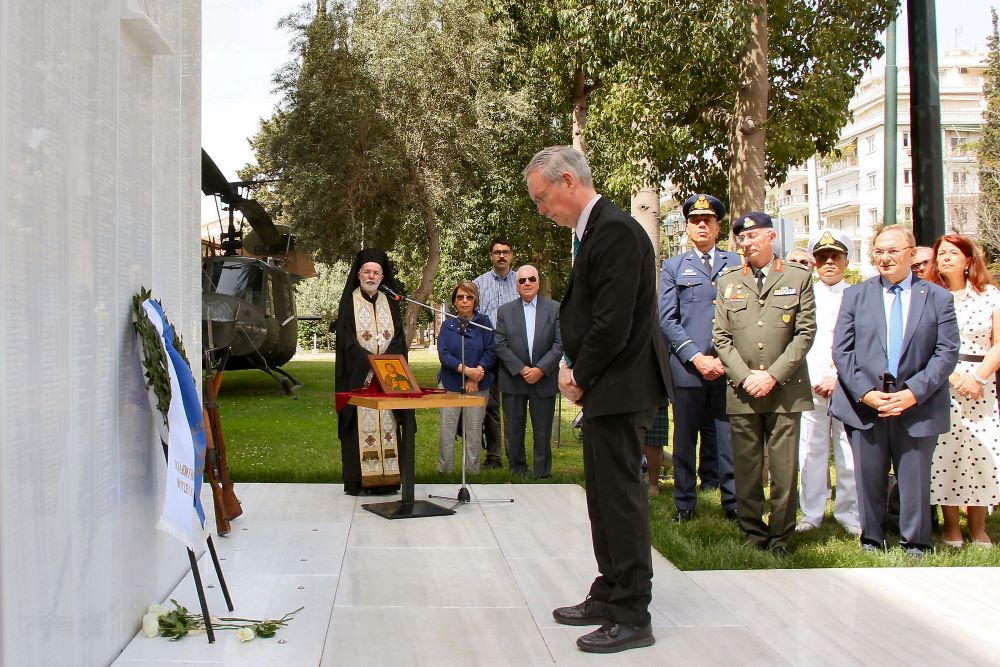
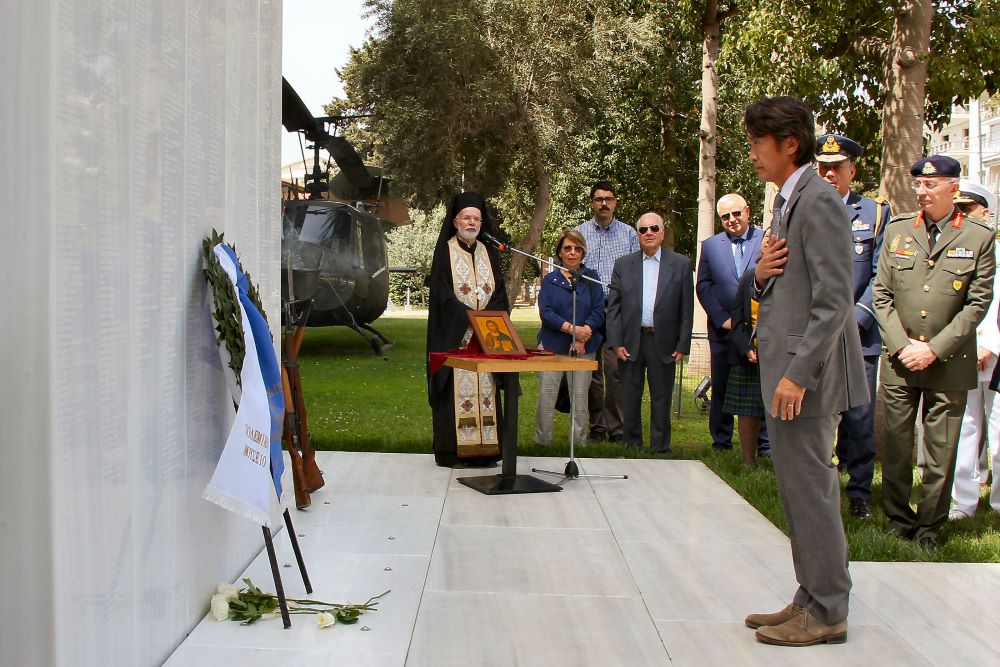
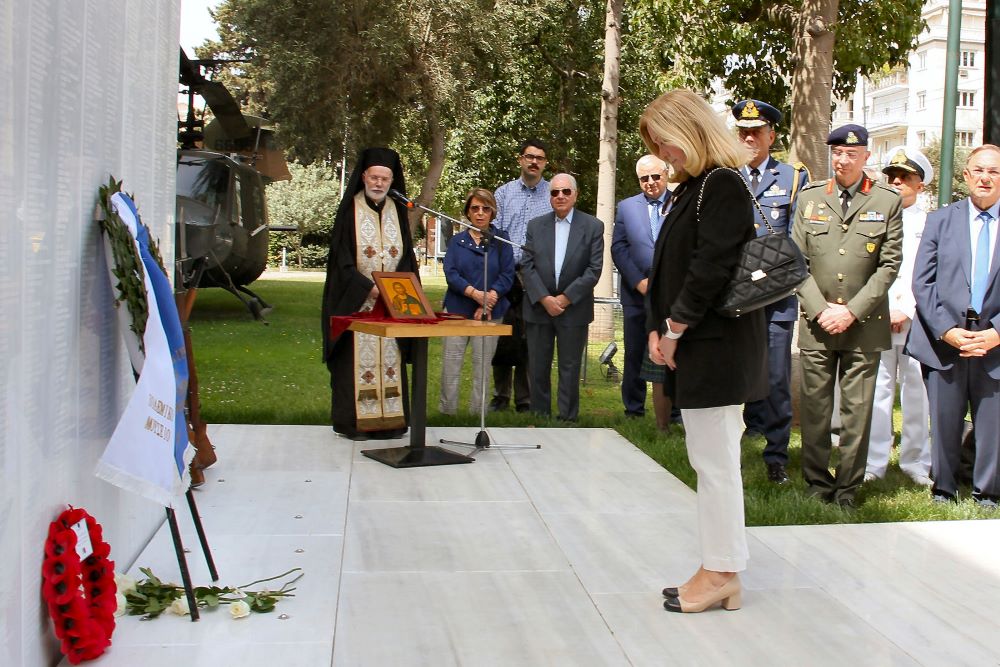
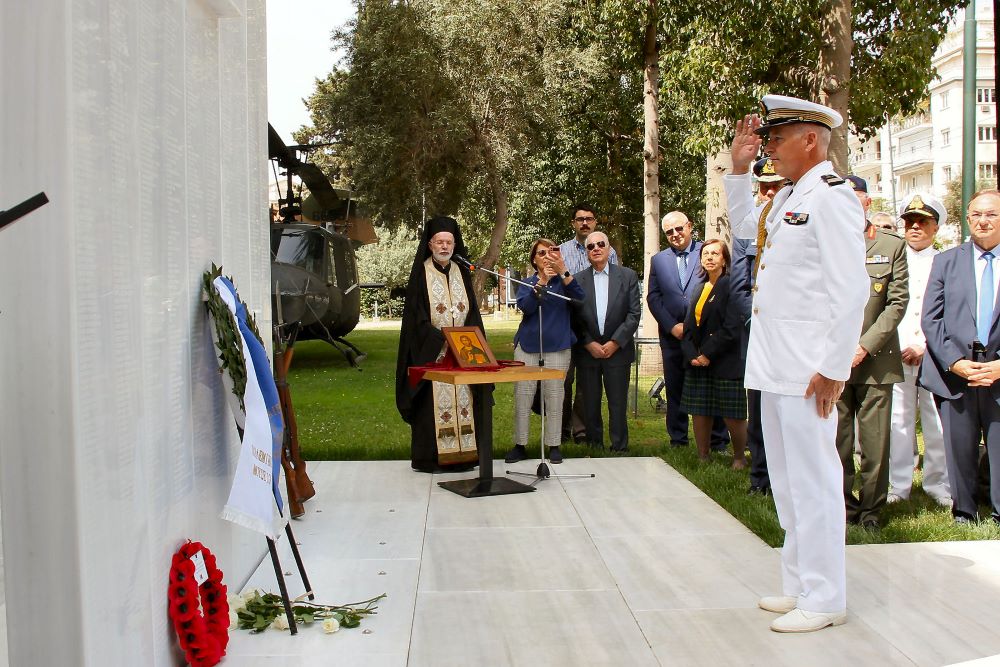
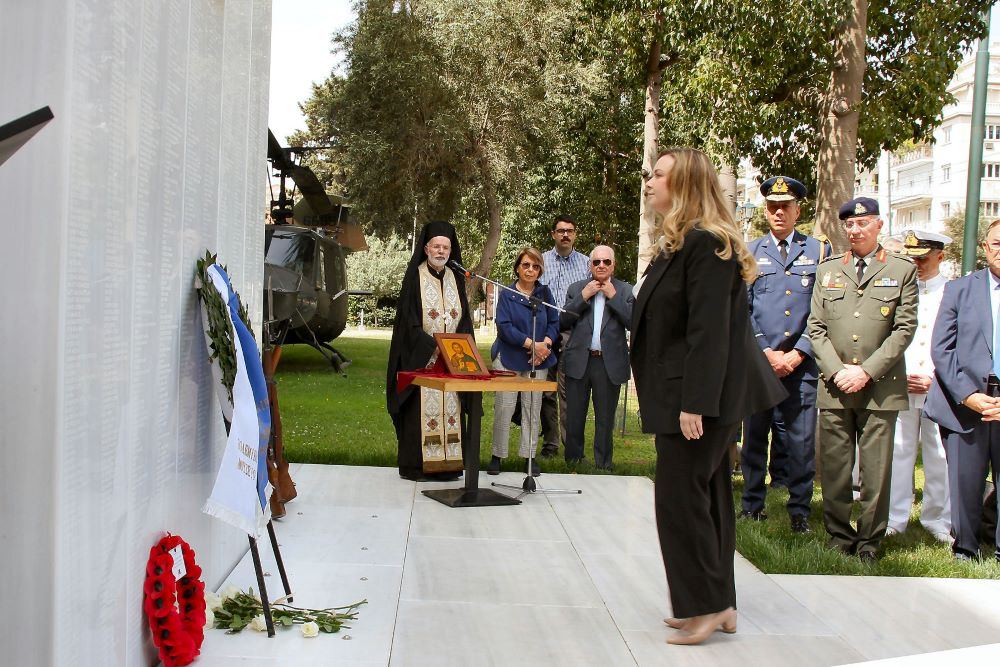
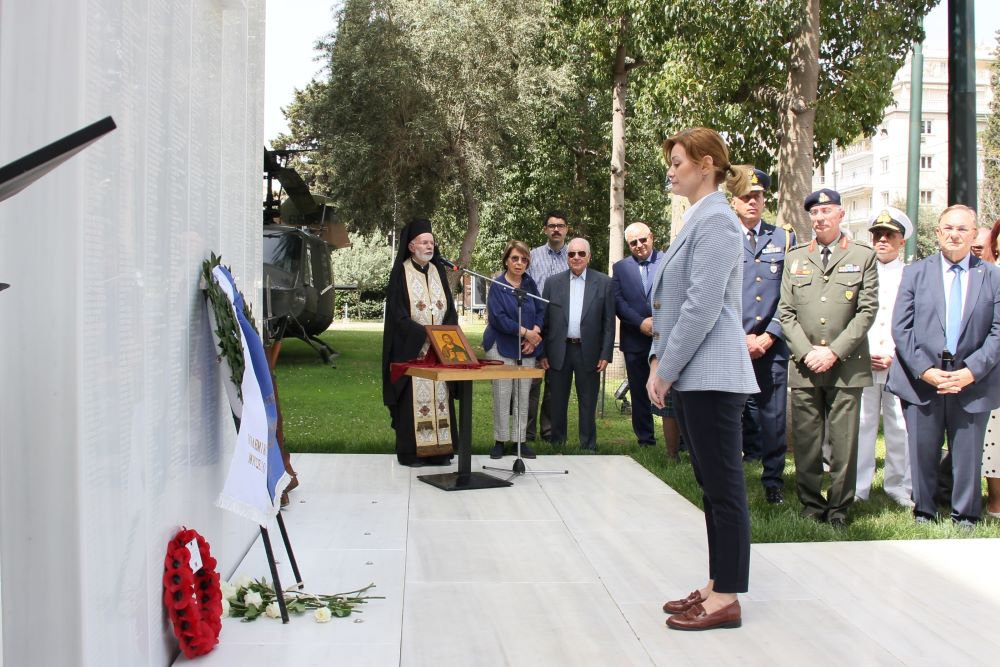
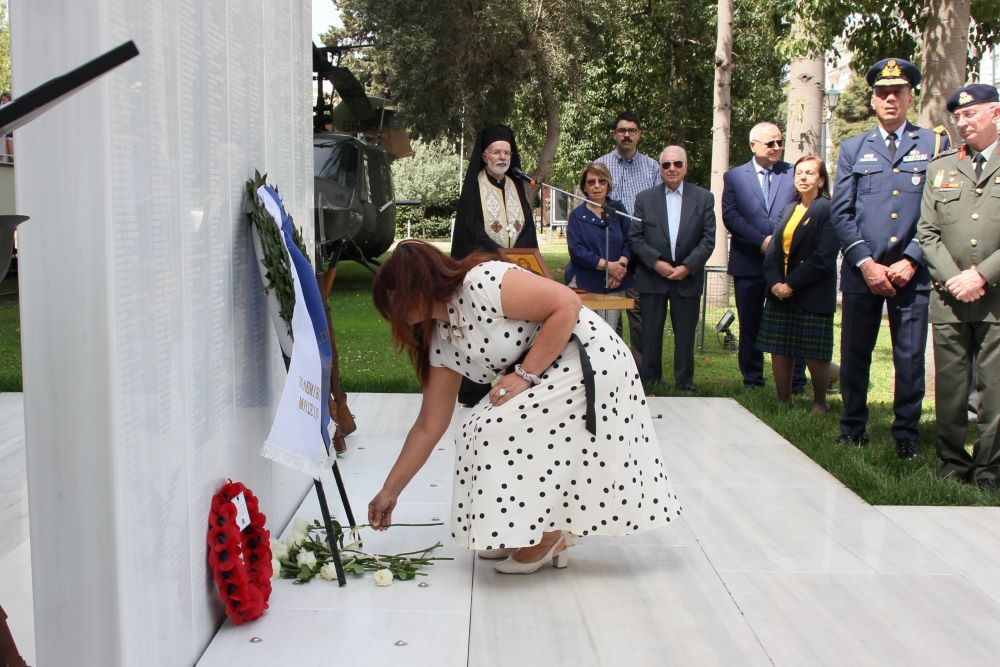
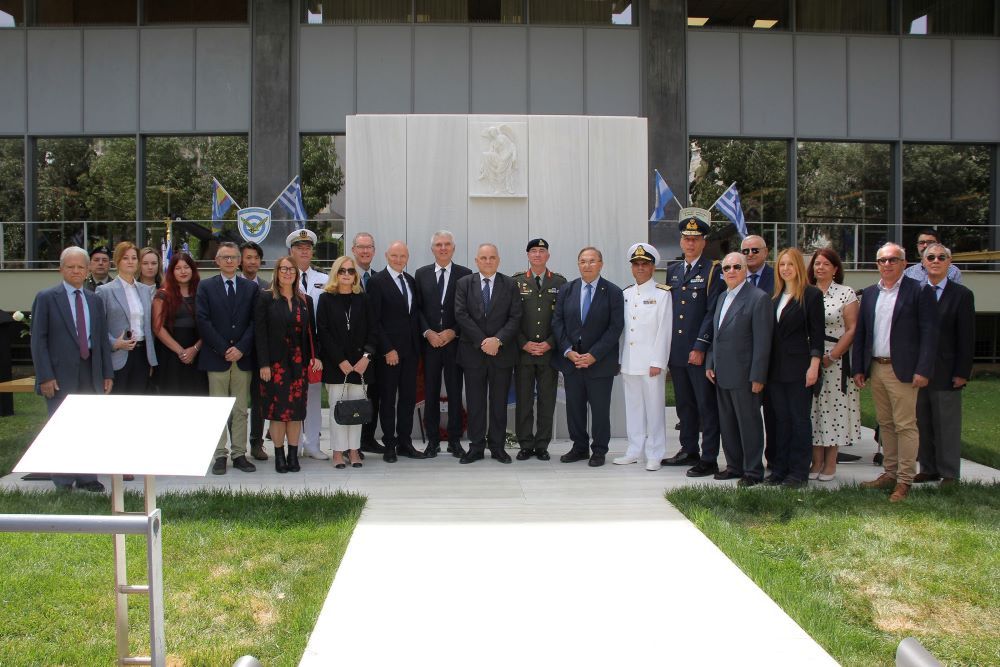
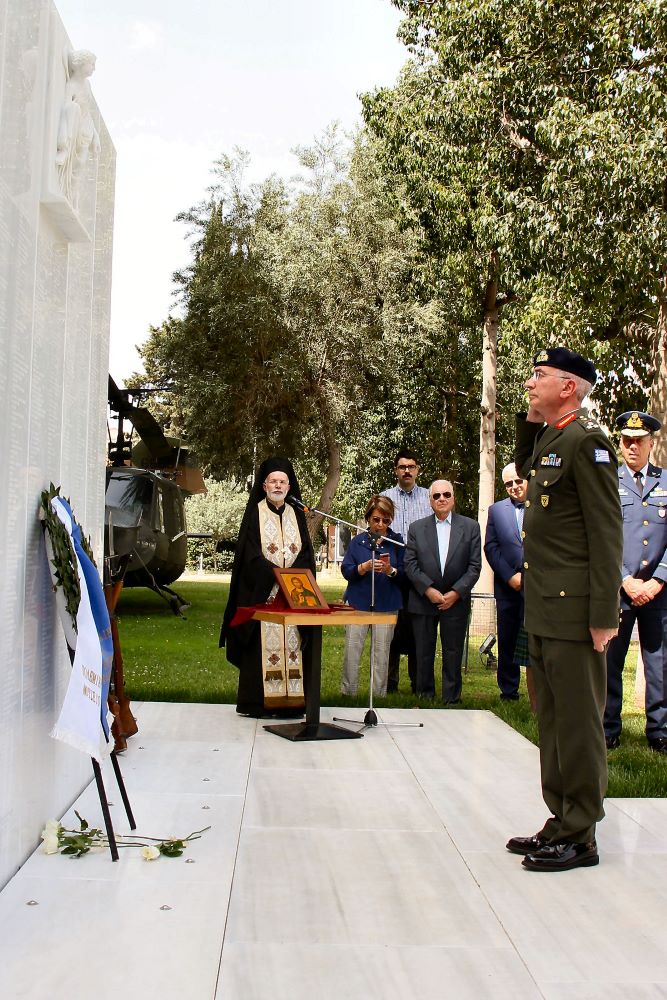
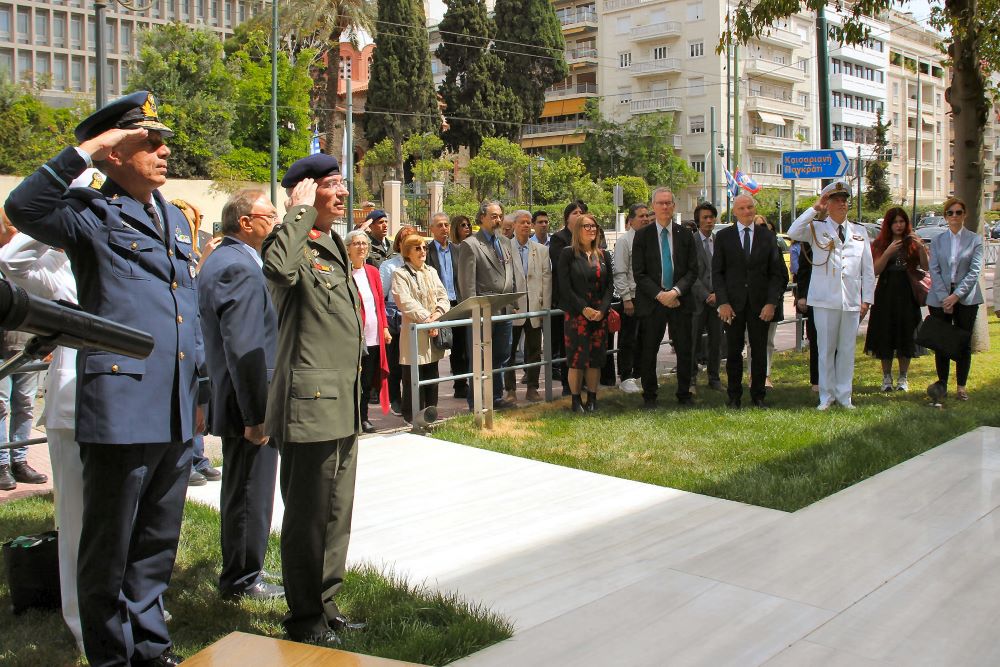
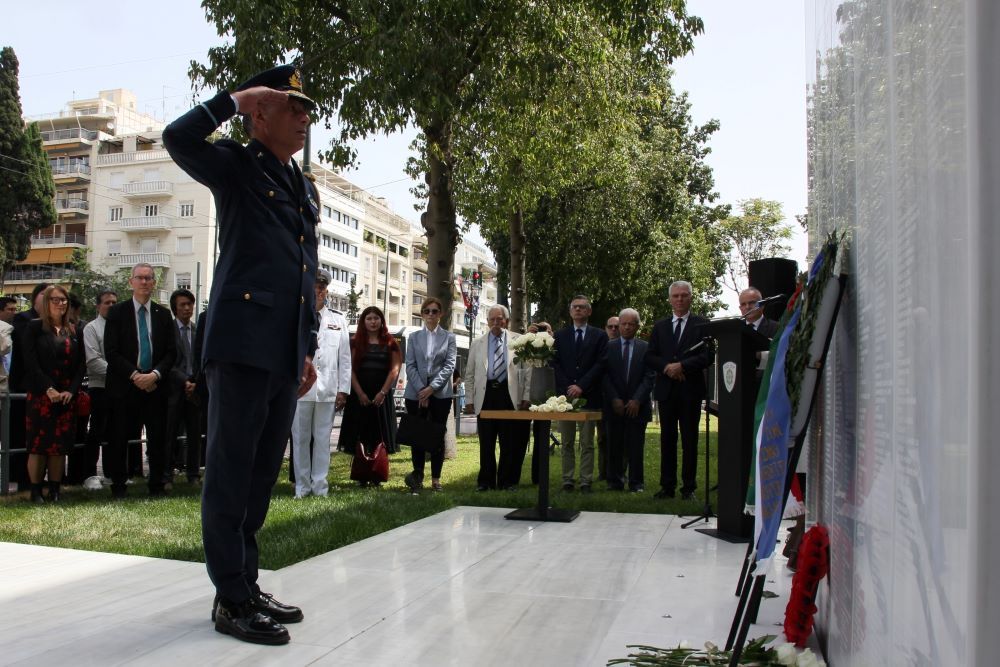
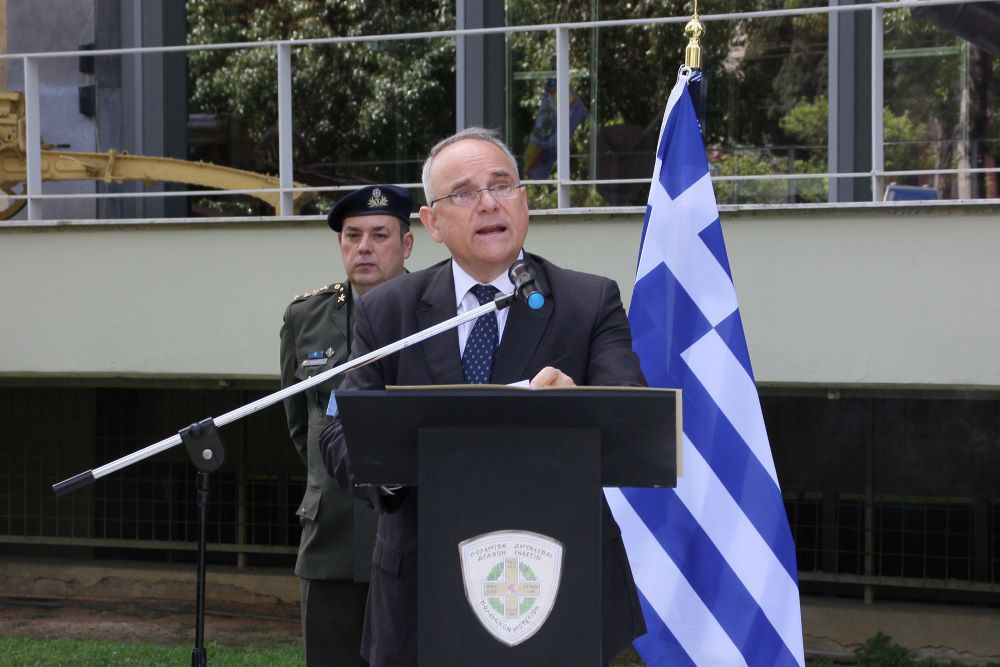
On this basis, on Saturday, May 9th, 2026, the first ceremony in memory of the Philhellenes was held with the laying of wreaths and a floral tribute, with the participation of the Hellenic Parliament and the embassies in Greece of the Philhellenes’ countries of origin.

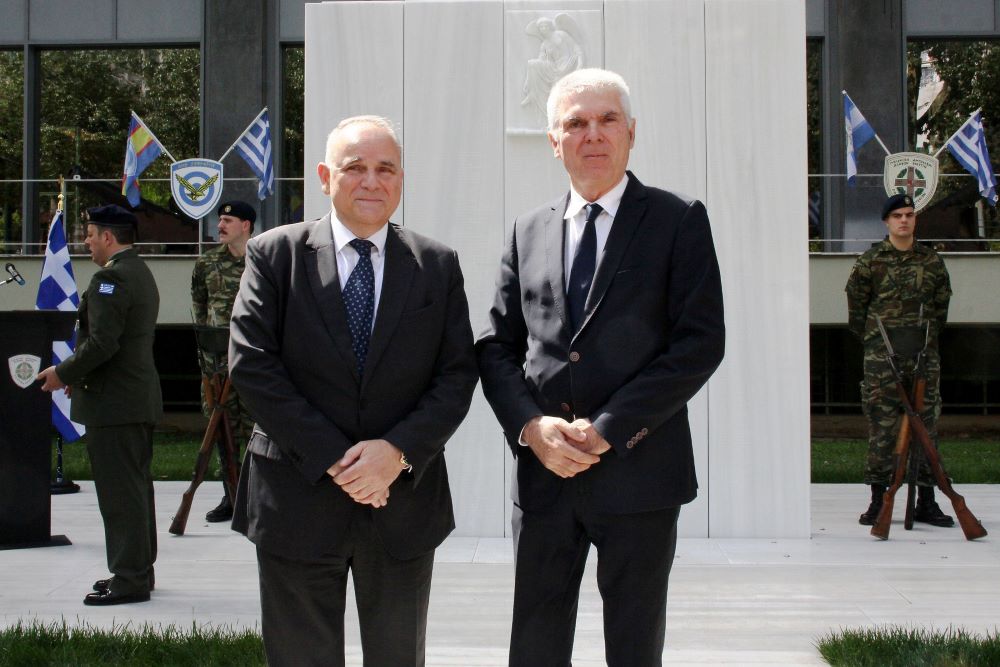
In particular, the ceremony was held in the presence of the representative of the President of the Hellenic Parliament, MP Mr. Dimitrios Kalogeropoulos, the representative of the Chief of General Staff and General Staff of the Hellenic Army, Inspector General of the Army, Lieutenant General Mr. Stavros Papastathopoulos, the representative of the Chief of General Staff, Commander of the Hellenic Army, Mr. Athanasios Notaras, the representative of the Chief of General Staff, Brigadier General Mr. Theodoros Papanikolopoulos.

H.E. Ambassador of the Federal Republic of Germany Mr. Andreas Kindl and Ambassador of Sweden Mr. Håkan Emsgård paid tribute to the names of their ancestors, while the US Embassy was represented by Mr. Sung W. Choi, the British Embassy by the Deputy Head of Mission Ms. Robyn Goldsmith, the Embassy of Spain by the Deputy Head of Mission Mr. Reyes Fernández Bulnes, the Embassy of France by the Defence Attaché Mr. Arnaut Lacote, the Embassy of the Republic of Poland by the Third Secretary Ms. Aleksandra Olenderek, the Embassy of Romania by the Consul Ms. Laura Borza, the Embassy of Hungary by Ms. Gabriella Kállay, the Embassy of Portugal by Ms. Andreia Almeida. On behalf of H.E. Ambassador of the Swiss Confederation Mr. Stefan Estermann and Ambassador of Austria Ms. Gerda Vogl tribute paid by the president of the SHP and Philhellenism Museum, Brigadier General (Hon.), Mr. Constantinos Velentzas.

The ceremony was also attended by two important historical municipalities of the country, in which Philhellenes volunteers have left their mark. The Municipality of Sacred City of Messolonghi by the representative of the mayor, Mr. Stathis Tsekouras, and the Municipality of Peta Arta by the representative of the mayor and president of the Peta Association, Mr. Georgios Kakaniaris.

The President of the War Museum, Lieutenant General Mr. Konstantinos Karamesinis and the President of the Society for Hellenism and Philhellenism (SHP) and the Philhellenism Museum, Mr. Constantinos Velentzas, as hosts and co-organisers, emphasized the importance of the erection of the Philhellenes’ Monument in Athens as an act that implements the relevant decision of the Fourth National Assembly of Argos, while announcing that the ceremony will now be an annual institution with the aim of strengthening the events for Philhellenism Day.


Information:
SHP | Philhellenism Museum
12 Zissimopoulou Str., 11524 Athens
Τ. +30 2108094750
info@eefshp.org & info@phmus.org
www.eefshp.org | www.phmus.org
 

INVITATION

The Polish Archaeological Institute at Athens cordially invites you to a lecture by Prof. Maria Kalinowska – Faculty of “Artes Liberales” of the University of Warsaw

Konstantinos Kanaris and his Fights in Polish Romantic Poetry


3/12/2025, 18.00 (EET)
PAIA Headquarters
Dionisiou Eginitou 7, 115 28 Athens


The lecture will also be transmitted via MS Teams. Please click here to join us online.

To attend in person, please register at: paia@amu.edu.pl.


Information:

Polish Archaeological Institute at Athens

Dionisiou Eginitou 7, 115 28 Athens

Τ. +30 210 729 2832


At noon on October 20th, 1827, in the bay of Navarino, in the bay of Pylos in the Western Peloponnese, one of the largest natural harbors in the world, one of the most brilliant victories of the Greek War of Independence and the greatest naval disaster in world history took place.

In 1827, a year after the Exodus of Messolonghi, the looting, barbarities and atrocities against the Greeks strengthened Philhellenism in Europe. The Great Powers intervened in the Greek question, supporting the Greeks and paving the way for independence with the Naval Battle of Navarino.

The British Philhellene Prime Minister George Canning, has given clear instructions to implement the Treaty of London, even by force of arms. British Admiral Edward Codrington enters the Bay of Pylos with his fleet, and sends a Greek officer to deliver a message to Ibrahim. He is shot by a Turkish sailor and the naval battle begins.

The naval Battle of Navarino is the culmination of naval operations during the Greek War of Independence and the only naval battle worldwide that took place with anchored ships. The Turkish-Egyptian fleet, with 89 warships and over 100 including the transport ships, estimates that it is superior to the only 27 ships of the allies and opens fire.

The ships were so close that their masts were entangled. The noise of the cannons echoed in Zakynthos and Kythera, while clouds of smoke covered the wider area. The allied ships, in addition to the cannons of the opponents, also faced cannons from the Turkish forts on mainland. By the afternoon, the seamanship of the allies and the unity of the Greeks had determined the victory. The armistice was signed aboard Codrington’s flagship.

European public opinion perceives the victory at Navarino as a victory of civilised peoples who united to reverse the bloodshed of the struggling Greeks. It was the first military operation in history aimed at supporting a nation struggling for its independence.

During the 20th century, Jacques-Yves Cousteau explored the bottom of the bay, even locating wrecks of the ships that participated in the naval battle, evidence of Greece’s struggle for freedom.

On three islands surrounding the Bay of Navarino, an equal number of monuments commemorate the contribution of the allied Philhellenes to the creation of the independent Greek state, while in the center of Athens three streets bear the names of the Philhellenes who led to the historic victory (Codrington, Derigny, Hayden).

At the Philhellenism Museum, important historical documents, rare works of art, and personal belongings of leading figures depict the emblematic Naval Battle of Navarino.


Above is depicted an 1831 oil painting by the British painter John Christian Schetky (1778-1874)


Information:

SHP | Philhellenism Museum

www.eefshp.org  | www.phmus.org
T. +30 2108094750


Dear Friends,

We thank you for your interest and warm response to the activities of the Philhellenism Museum.

The visits and guided tours of hundreds of friends to our exhibitions in the Hellenic Parliament and in our Museum were successfully completed (indicative photos from the last tour are attached).

We remain at your disposal and will be happy to welcome you to the upcoming events of the Philhellenism Museum.


Information:
SHP – Philhellenism Museum
Τ.: +30 2108094750
E.: info@phmus.org
Add.: 12, Zisimopoulou Str., 11524 Athens, GREECE
W.: www.phmus.org | www.eefshp.org


On the occasion of the visit of the Prime Minister of Finland, the SHP and the Philhellenism Museum remind that the two countries have a long history of cooperation of more than 200 years, based on common cultural values.

Many Philhellenes from Sweden and Finland served in the Greek army during the Greek Revolution.

The most important of these was Augustus Maximilian Myhrberg. He participated in many battles as a key member of the Greek cavalry, an aid de camp of Fabvier and in the end he took over the command of Palamidi in Nafplio. He was honored with recognitions and medals from Greece and received a pension for his contribution.

His full biography can be found here.

https://www.eefshp.org/en/aygoystos-maximilianos-myhrberg-1797-1867-soyidos-finlandos-filellinas-symmeteiche-se-polles-maches-kata-ti-diarkeia-toy-agona-tis-ellinikis-anexartisias-dioikitis-toy-froyrioy-sto-palamidi-kai-exidan/

During such a difficult time for international peace, the two countries reaffirm their solidarity and commitment to the principles of the European Union.


Portrait of the Finnish – Swedish Philhellene Augustus Maximilian Myhrberg (SHP collection, Philhellenism Museum)


Medal of the Finnish – Swedish Philhellene Augustus Maximilian Myhrberg (SHP, Philhellenism Museum)

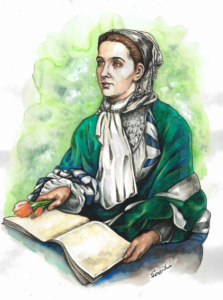
SHP and the Philhellenism Museum honor the great American Philhellene Julia Ward Howe, Julia Ward (1819-1910).

Famous pacifist, feminist, abolitionist, human rights activist, and poet. She wrote the poem Battle Hymn of the Republic.

Wife of the American Philhellene Samuel Gridley Howe.

She supported the struggle of the Greeks during the revolution in Crete (1866-1869) with the establishment of the “Greek Relief Committee” in Boston, raising money, food and clothes. She even dedicated a poem to Greece. To support the Cretan revolutionaries, she organized an important event in Boston with the participation of prominent musicians. Only from this event, she raised 2,000 thalers, and sent them to Greece.

Later Julia Ward came with her family to Greece and helped the Cretan refugees with money and clothes. (S99)